The Théâtre de la Photographie on Rue Tonduti de l'Escarène announced three months ago that it would dedicate 40 percent of its 2026 programming to artists under 35. That decision, quietly made but strategically significant, signals something shifting in Nice's cultural priorities. After decades of catering to tourists and wealthy residents seeking established names, the city's institutions are betting on unknown quantities.
The timing matters. Europe is sweltering—France recorded over 2,000 excess deaths during the recent heatwave—and arts organisations across the continent are rethinking what culture does when comfort itself becomes precarious. In Nice, where summer temperatures now regularly exceed 35 degrees Celsius, venues are scrambling to reimagine programming. Younger curators and artists see this crisis not as obstacle but as creative opportunity. The Festival de Musique de Chambre Nice, which runs through August, expanded its roster this year to include seven debut commissions from composers aged 28 to 34, a deliberate break from its traditionally conservative programming.
Where Young Voices Gain Traction
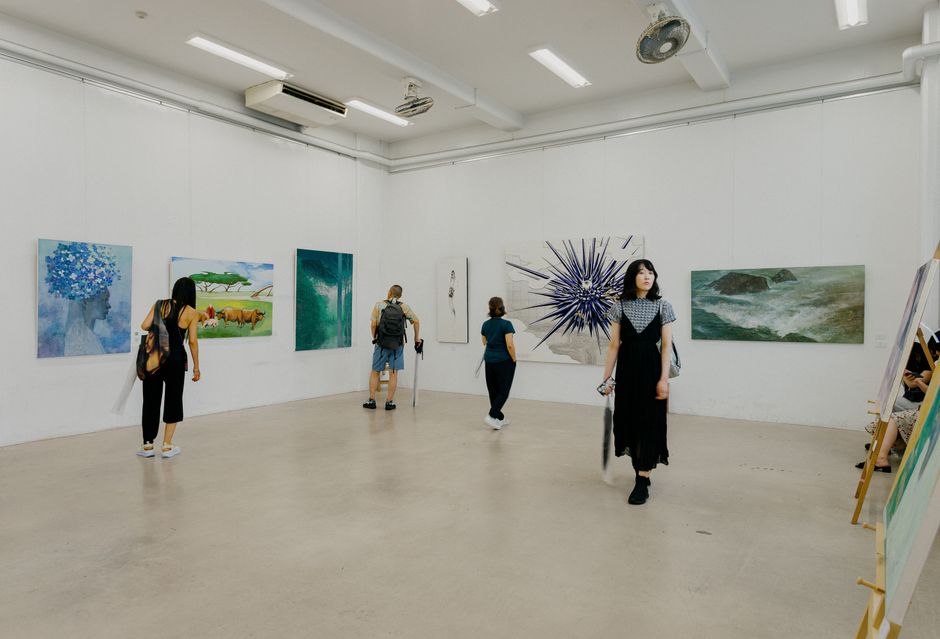
Galerie Lympia, the artist collective housed in a converted warehouse space near the port, has become ground zero for this shift. The space opened in 2023 with support from the Nice municipal arts budget and now hosts work by roughly 24 resident artists, roughly two-thirds of them under 40. The rent—€400 monthly per artist workspace, subsidised by the city—makes it one of the few affordable options in central Nice. Walking through the converted shipping containers last week, you encountered video installations examining migration patterns, sculptural work responding to climate anxiety, and photography series documenting the neighbourhood's rapid gentrification.
The Centre Méditerranéen d'Art Contemporain, located on Boulevard Carabacel since its 1989 founding, has begun its own generational pivot. Its director announced in May that the institution would split its main exhibition schedule—previously dominated by mid-career retrospectives—into alternating quarters: one for established names, one for artists exhibiting in a major venue for the first time. The gamble requires institutional risk that established cultural bodies rarely take.
Numbers Tell the Story
The data suggests genuine momentum. According to the Nice tourism and culture office, gallery attendance among visitors under 30 increased 23 percent between 2024 and 2026, while attendance overall remained flat. The emergence of artist collectives—there are now 14 registered informal artist cooperatives in the Vieux Nice neighbourhood, up from three in 2022—indicates young creatives are creating infrastructure where none existed.
Ticket pricing reflects this generational strategy. The Festival de Musique de Chambre offers reduced admission (€8 versus €22 standard) for under-26 audiences. Galerie Lympia hosts free Friday evening open studios. These aren't symbolic gestures. They're bids to make cultural participation possible for people priced out of Nice's real estate market.
What's driving this? Partly economic necessity. The rising cost of living in Nice pushed many artists into the surrounding communes years ago. Those who remained either found institutional support or left the city entirely. The organisations investing in emerging voices now understand that cultural vitality depends on creating conditions for people to actually stay. It's not generosity. It's survival.
For anyone interested in tracking this movement, the next markers arrive in autumn. The Musée Matisse, which maintains archives of contemporary art activity in the region, opens a curated selection of work from Galerie Lympia residents in September. The Forum des Images Nice launches a retrospective of short films by local directors under 32 in October. Neither event will draw international headlines. Both will matter enormously to the people making work here. That asymmetry—between what gets noticed and what's actually alive—is where Nice's culture scene is doing its most interesting work right now.
This article was compiled by AI and screened before publishing. See our editorial standards.