Politics
Federal Budget Cuts Force Nice to Slash Services During Record Heat Wave
With federal spending on infrastructure down 12% this fiscal year, the city's transit authority and public cooling centers face difficult choices during the worst summer on record.
Listen in English · 4 min
How we reported this
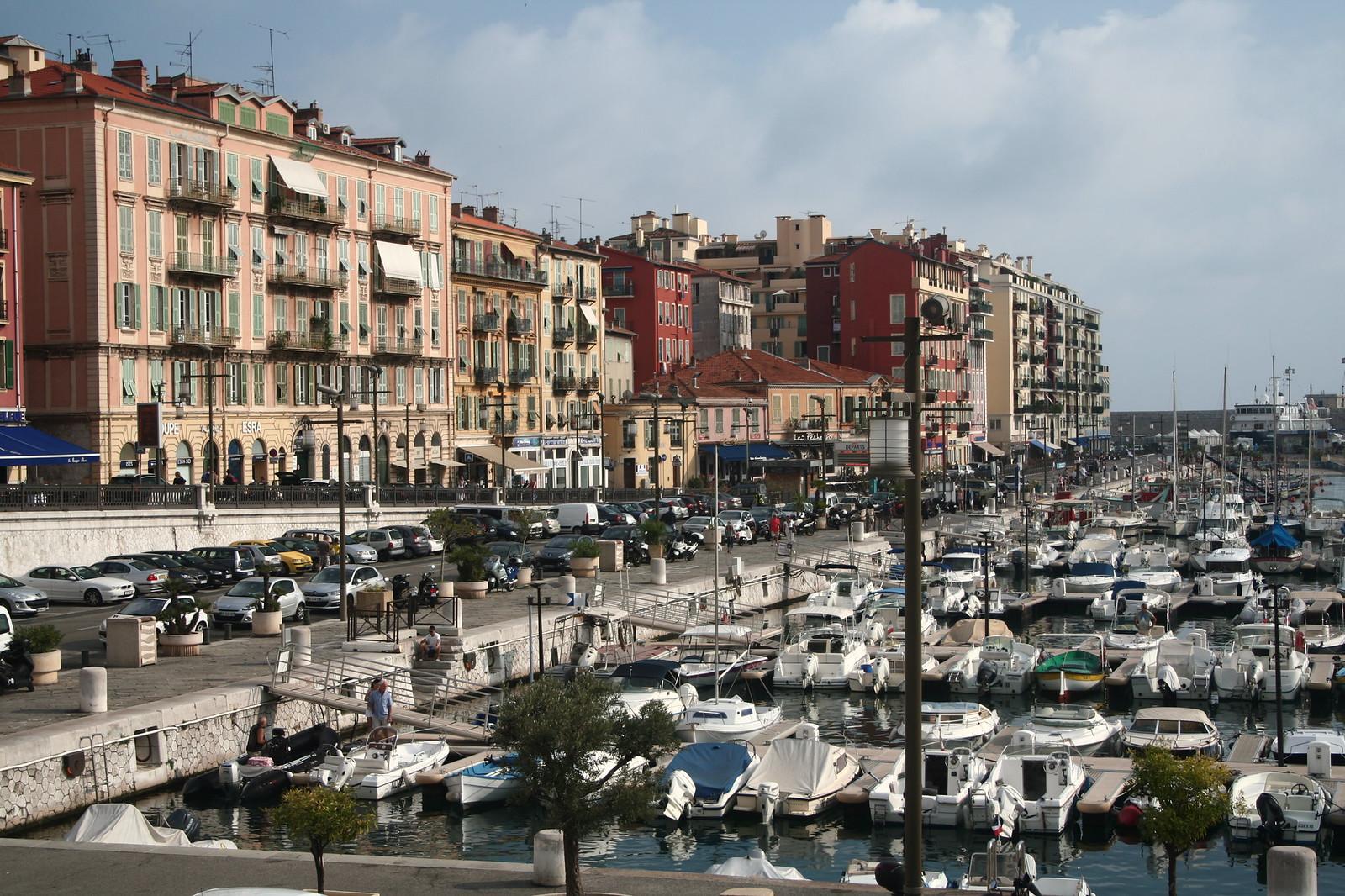
Nice's municipal government is bracing for a lean budget year. Federal allocations to the city dropped to $847 million in the 2026-2027 cycle, down from $962 million the prior year, forcing city planners to make cuts across transit, parks maintenance, and social services just as a brutal heat wave has sent cooling-center demand through the roof.
The timing could not be worse. Temperatures have already exceeded 39 degrees Celsius on 18 separate days this summer, compared to an average of four days annually over the past decade. Public pools and air-conditioned community spaces have become lifelines for residents without home cooling, particularly seniors and low-income families across the Vieux Nice and Port neighborhoods.
The federal shortfall stems from reductions in community development block grants and transportation funding approved by Congress in May. Nice Director of Budget Affairs disclosed the cuts at a city council meeting on June 28, warning that the Promenade des Anglais transit corridor-which serves 62,000 daily riders on bus routes 8 and 12-would see reduced evening service unless the city finds alternative revenue streams.
Local Programs Face Immediate Strain
The Palais Nikaïa recreation center in the Quartier du Port, which has operated extended cooling hours during heat emergencies since 2019, may now limit access due to staffing reductions. The facility typically serves 400 to 500 people daily during heat waves. A spokesperson for the center noted in June that federal grants covered roughly 35 percent of its annual $2.4 million operating budget.
Parks and gardens maintenance is also taking a hit. The Jardin Albert 1er, the city's largest public green space near the waterfront, will see its landscaping crew cut by three positions. The garden attracts roughly 15,000 visitors weekly during summer months and has become a primary refuge for residents seeking shade during the afternoon heat.
The Nice Public Transport Authority, which operates the regional bus and tram system, learned on June 30 that federal transit grants would decline by $34 million over the next two years. The agency's fleet electrification program-designed to replace 120 diesel buses with electric vehicles by 2029-now faces a two-year delay. Current projections suggest only 70 vehicles will be replaced on schedule.
What Comes Next
City officials are exploring stopgap measures. A proposal introduced at Tuesday's council session suggests implementing a modest increase to local parking fees-potentially raising rates from €1.80 to €2.10 per hour in central zones-to generate approximately $1.2 million annually. The measure would apply primarily to metered parking along Rue de l'Opéra and surrounding commercial districts.
The Nice Chamber of Commerce has already signaled concerns about pricing residents and visitors out of the city center. Competition from nearby coastal towns like Antibes, which has maintained federal grant levels by prioritizing tourism infrastructure, adds pressure on city leadership to avoid decisions that might discourage visitors during peak summer months.
Federal officials in Paris indicated last month that reductions reflect broader austerity measures across municipal budgets nationwide, with per-capita allocations to mid-sized cities cut by an average of 12 percent. Cities with populations between 250,000 and 500,000-Nice sits at approximately 340,000-took the largest percentage hits.
Residents should expect reduced nighttime transit service to roll out by August 15, assuming no last-minute interventions. The city is accepting public comment on the parking fee proposal through July 11. Cooling centers will remain open at extended hours through September, with no changes announced yet, though staffing remains uncertain.