Global markets staged a forceful rally on Friday, drawing energy from a buoyant overnight session on Wall Street where the S&P 500 climbed 1.71% to 7,483 and the Nasdaq Composite advanced 1.87% to 25,833. The moves set an unambiguous tone for European trading. Frankfurt's DAX surged 4.49% to 25,779, one of its sharpest single-session gains in months, while the euro pushed higher against the dollar, reaching 1.1440, up 0.47% on the day. For investors along the Côte d'Azur holding European equities or euro-denominated savings, the day was broadly constructive.
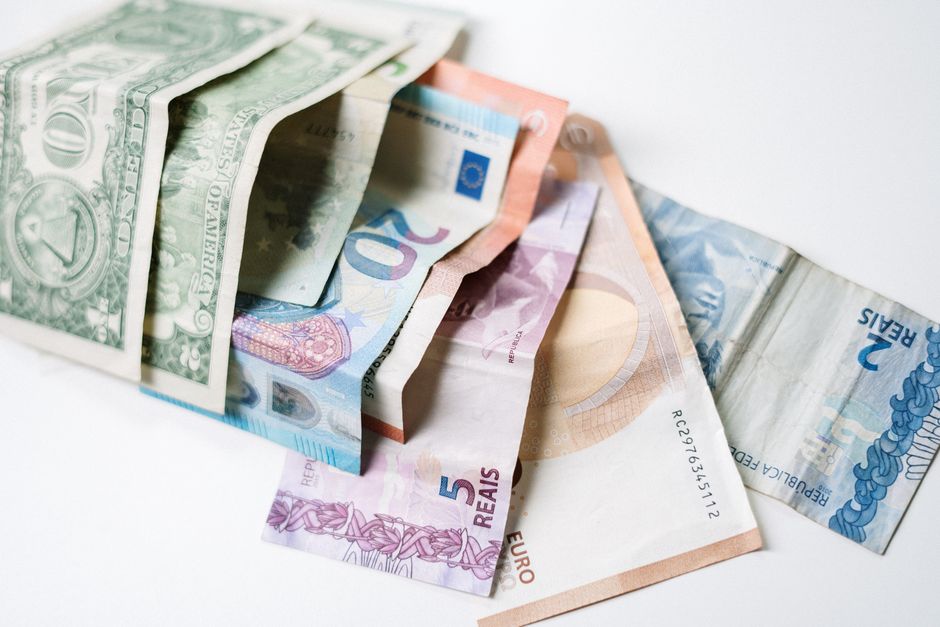
The euro's move deserves particular attention. A rate of 1.1440 against the dollar represents meaningful strength for European purchasing power and puts quiet pressure on the export-heavy names that dominate the CAC 40. French luxury conglomerates, which generate a substantial portion of their revenues in dollars and yuan, tend to see their margins squeezed when the euro climbs. LVMH, Hermès and Kering all face that arithmetic. The rally in European equities nonetheless suggests that investors chose to focus on the positive macro signal implicit in dollar weakness, namely that the Federal Reserve's tightening cycle may have less runway than previously feared, rather than worry about the currency translation effect on quarterly earnings.
Gold's 4% Surge Points to Persistent Uncertainty Beneath the Optimism
Strip away the equity euphoria, though, and gold's performance tells a more cautious story. Spot gold rose 4.10% to $4,187 per troy ounce, a level that would have seemed implausible to most portfolio managers even two years ago. Safe-haven demand at that magnitude, running simultaneously with a strong equity session, points to investors hedging both ways. Pension funds and private wealth managers based in Nice, many of whom allocate a structural portion of client portfolios to gold through instruments such as exchange-traded funds or physical gold accounts held in Geneva or Luxembourg, will be watching closely. A sustained move above $4,000 changes the conversation about portfolio construction in ways that rebalancing models have not fully absorbed.
Bitcoin added to the risk-on mood, rising 6.66% to $62,456. The cryptocurrency's strong correlation with Nasdaq on days of broad appetite for growth assets held once again. For Nice's growing cohort of younger high-net-worth clients who have allocated a single-digit percentage of their portfolios to digital assets, the day provided welcome relief after weeks of choppy trading. Whether that momentum carries through the weekend is another matter, given that weekend liquidity in crypto markets can amplify moves in either direction.
Oil was the session's clear outlier. WTI crude fell 2.78% to $68.78 per barrel, a decline that reflects ongoing concerns about demand rather than any supply-side shock. Softer crude pricing is a double-edged development for European investors. It eases inflationary pressure and gives the European Central Bank additional room to manage rates, which is supportive for bond prices and rate-sensitive sectors such as utilities and real estate. On the other hand, energy majors listed in Paris weigh on the CAC 40 when crude slides, and TotalEnergies, one of the index's largest constituents by market capitalisation, will face headwinds when Paris resumes trading next week.
The broader picture heading into the second half of 2026 is one of divergence. Equities and gold moving higher together, alongside a strengthening euro and weakening oil, suggests that markets are pricing multiple scenarios simultaneously. Equity bulls see a soft landing; gold buyers see geopolitical risk and fiscal imbalances; currency traders see Federal Reserve caution. That kind of multi-directional pricing is not unusual at turning points in the rate cycle, and it typically rewards investors who have diversified across asset classes rather than those concentrated in a single thesis.
For readers with mortgage exposure, a stronger euro and lower energy prices are net positives for household finances in the near term. Variable-rate borrowers in the eurozone benefit when the ECB has room to hold or ease, and the combination of lower commodity costs and a resilient currency gives Frankfurt and Paris policymakers a cleaner hand heading into the autumn. Nice's property market, buoyed by both domestic demand and ongoing interest from northern European and American buyers, will be sensitive to any sustained shift in ECB rate guidance over coming months. For now, Friday's session was an encouraging data point, if not yet a definitive verdict.