lifestyle
Why Nicoise cuisine feels more alive than ever in the summer of 2026
From socca stalls to the Cours Saleya market, the food of Nice remains a living tradition rather than a museum piece, and this summer it is on full display.
Listen in English · 3 min
How we reported this
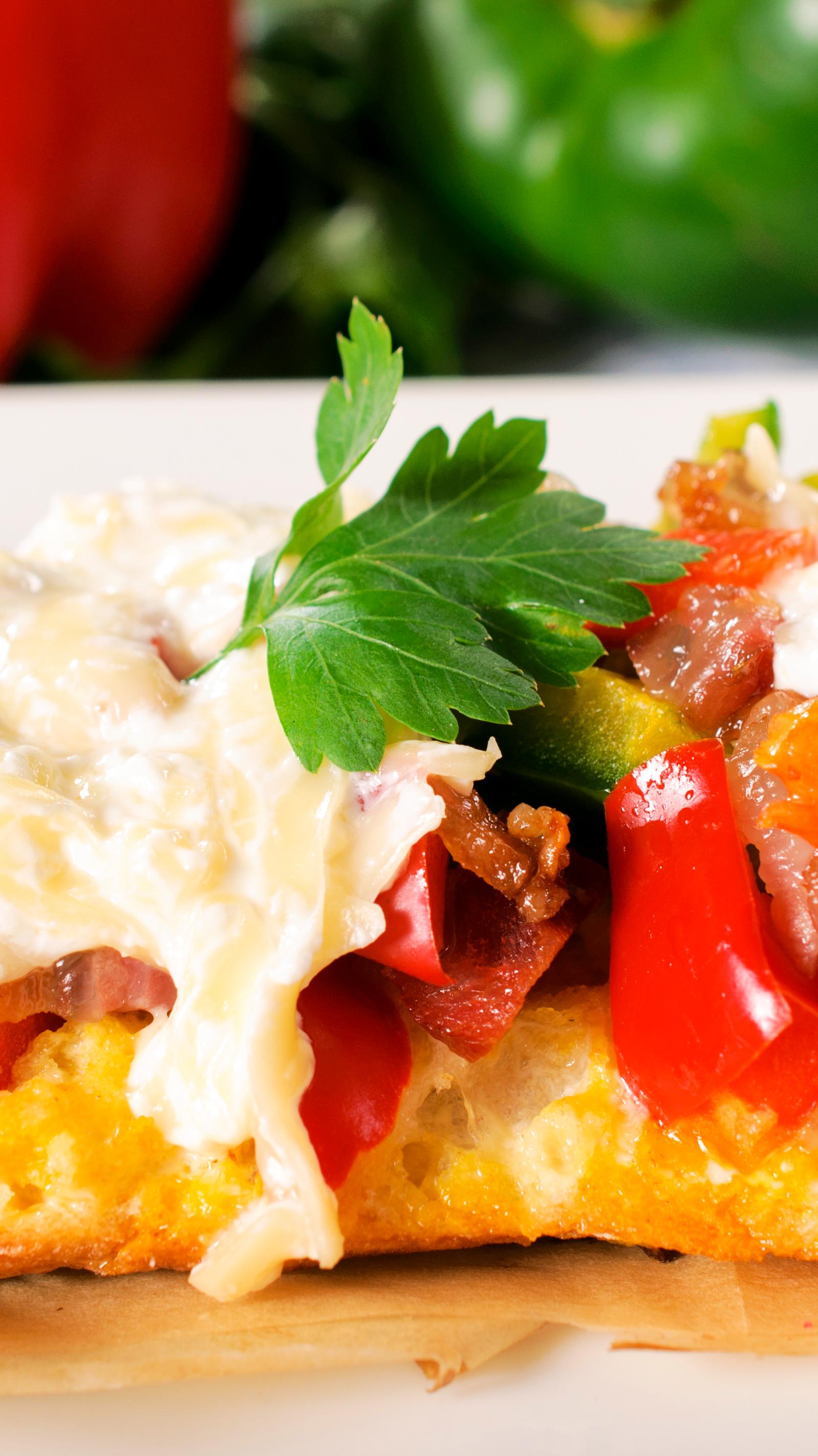
Few French cities wear their food culture as openly as Nice, and this summer the cuisine nicoise feels more alive than ever. Rooted in the produce of the surrounding hills and the Mediterranean, and shaped by centuries of exchange with neighbouring Italy, the local table has stayed remarkably close to its origins even as the city has grown into a major destination.
The clearest place to see this is the Cours Saleya, the long market square in Vieux Nice where flower and produce stalls fill the mornings. It is here that many of the ingredients of the local kitchen, sun-ripened tomatoes, courgette flowers, fresh herbs, olives and olive oil, change hands, and where the rhythm of the seasons still shapes what appears on plates across the city.
Dishes that define the city
The signature dishes of Nice are humble by design. Socca, a thin pancake of chickpea flour and olive oil baked in a wood-fired oven and served hot in paper, is the classic street snack, sold from stalls in the old town. The pan-bagnat, a round bread filled in the manner of a salade nicoise with tuna, egg, anchovy and raw vegetables, is the local lunch of choice. Pissaladiere, a slow-cooked onion tart with anchovy and olives, reflects the city's ligurian roots, while the salade nicoise itself remains a subject of gentle, unending debate among locals about what should and should not go in it.
What keeps the cuisine vital is that these dishes are still everyday food rather than tourist curiosities. Bakeries, market stalls and neighbourhood restaurants across Vieux Nice and the wider city serve them daily, and families continue to make them at home.
Eating well in summer
Summer is arguably the best time to explore this food. The markets are at their most abundant, and the warm evenings suit the light, vegetable-forward character of the local kitchen. Visitors keen to eat well are best served by heading a few streets back from the busiest seafront terraces and following residents into the smaller places of the old town and its surrounding districts.
For anyone spending time in the city, treating the cuisine nicoise as a living tradition, to be tasted at the market and in the back streets rather than simply read about, is the surest way to understand Nice itself.
As plans develop, readers should check the relevant organiser, transport authority or professional service for the latest practical details. Local conditions can change, and a current notice is more useful than relying on an old timetable, listing or general guide. That small habit keeps a Nice day flexible while respecting the specific information attached to each place and activity.