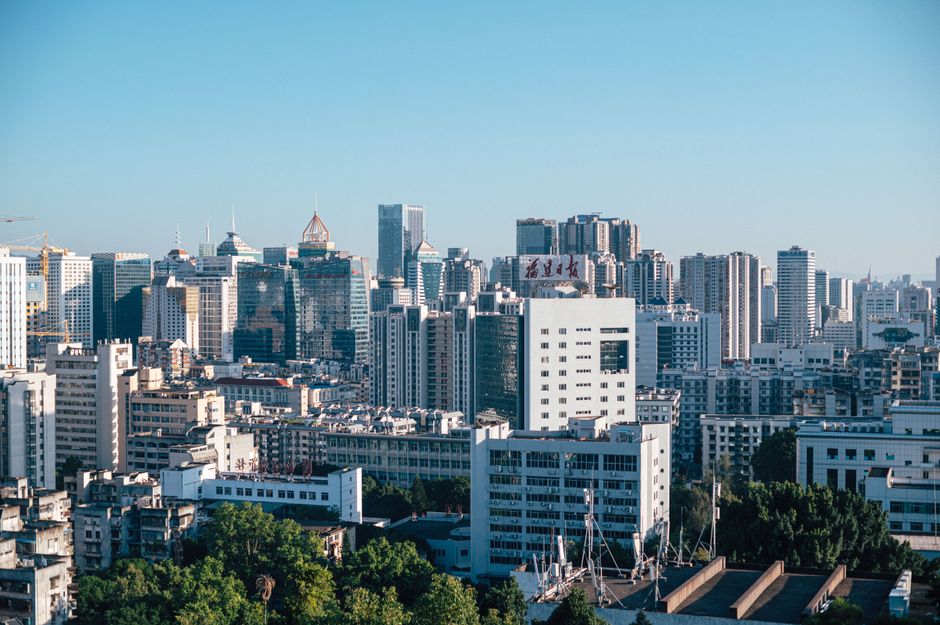
France recorded 2,025 excess deaths during the peak of the current heatwave, and Nice's public health authority confirmed this week that the Alpes-Maritimes department contributed disproportionately to that toll. The city's emergency cooling centres — including the two permanent Espaces Climatisés on the Avenue Jean Médecin and inside the Acropolis convention complex — logged more than 3,400 visits between June 21 and July 1. That number is already higher than the full-season figure for 2024.
The timing matters. Monaco's bomb attack last month, which sent shockwaves along the entire Côte d'Azur, has left local officials scrambling to reassure both residents and the summer tourist wave now cresting. July is Nice's single most economically vital month, worth an estimated €480 million to the city's hospitality sector according to the Chambre de Commerce et d'Industrie Nice Côte d'Azur. Getting the optics wrong — appearing either blasé about security or paralysed by it — carries real financial consequences.
Cooling Down, or Just Getting By?
Nice is handling the heat better than Barcelona but worse than Marseille, at least by the crude metric of hospitalisation rates. Barcelona's city government activated its Pla d'Actuació per Onada de Calor on June 19, deploying mobile misting units across the Eixample district and keeping public pools open until midnight. Marseille, for its part, opened 14 neighbourhood cooling points — four more than it managed last summer. Nice's Mairie has six designated sites. The gap is partly structural: Nice's dense Vieux-Nice and the steep residential streets of the Colline du Château neighbourhood are harder to reach with mobile cooling infrastructure than Marseille's flatter northern arrondissements.
The city's urban heat island problem is also intensifying. A June 30 report from Météo-France's regional office on the Boulevard François Grosso found that nighttime temperatures in the Libération neighbourhood have not dropped below 27°C since June 24 — a run of nine consecutive tropical nights that broke the previous record of six, set in 2023. Elderly residents in social housing on the Rue de Roquebillière have been among those most affected, and the local branch of the Red Cross — Croix-Rouge Française Alpes-Maritimes — says its home-visit volunteers completed 870 welfare checks in the past ten days alone.
Security Costs and Tourist Confidence
The aftermath of the Monaco attack has pushed the city's Promenade des Anglais back into security-planning conversations that many hoped were settled after the 2016 truck attack. The Préfecture des Alpes-Maritimes confirmed on July 1 that vehicle barriers along the Promenade's 7-kilometre seafront stretch are being audited, with 23 sections flagged for reinforcement before July 14 — Bastille Day — when the beachfront crowds will be at their densest.
Cannes, which faced similar pressure after the Monaco incident, has gone further, adding temporary pedestrian screening zones near the Palais des Festivals. Nice's police municipale has so far resisted that model, citing pedestrian flow concerns during peak season. The Syndicat des Hôteliers de Nice et du Littoral says forward bookings for the second half of July are running 6 percent below the same period in 2025, though it attributes part of that drop to record-high room rates rather than security anxiety alone. A standard double room on the Promenade now averages €340 a night in July, up from €295 last year.
What comes next depends heavily on the next two weeks of weather and the absence of further security incidents. The Mairie has scheduled an emergency session of the Conseil Municipal for July 7 to formalise the heatwave response budget and vote on extending pool hours at the Piscine du Castel and the Jean Bouin complex through at least August 15. Residents in the city's most exposed districts — particularly the hillside quartiers above the Place du Pin — should check the city's Alerte Canicule SMS registration system, which can be accessed via the Mairie de Nice website. Registration takes under three minutes and puts a phone number in the queue for direct welfare calls if temperatures stay above 40°C.