Property
Rezoning Proposal Could Redefine Saint-Roch: Nice Faces Suburban Transformation
City planners unveil plans to change Saint-Roch’s zoning, setting off debate over housing, heritage, and urban growth.
3 min read
Updated 11 h ago
Property
City planners unveil plans to change Saint-Roch’s zoning, setting off debate over housing, heritage, and urban growth.
3 min read
Updated 11 h ago
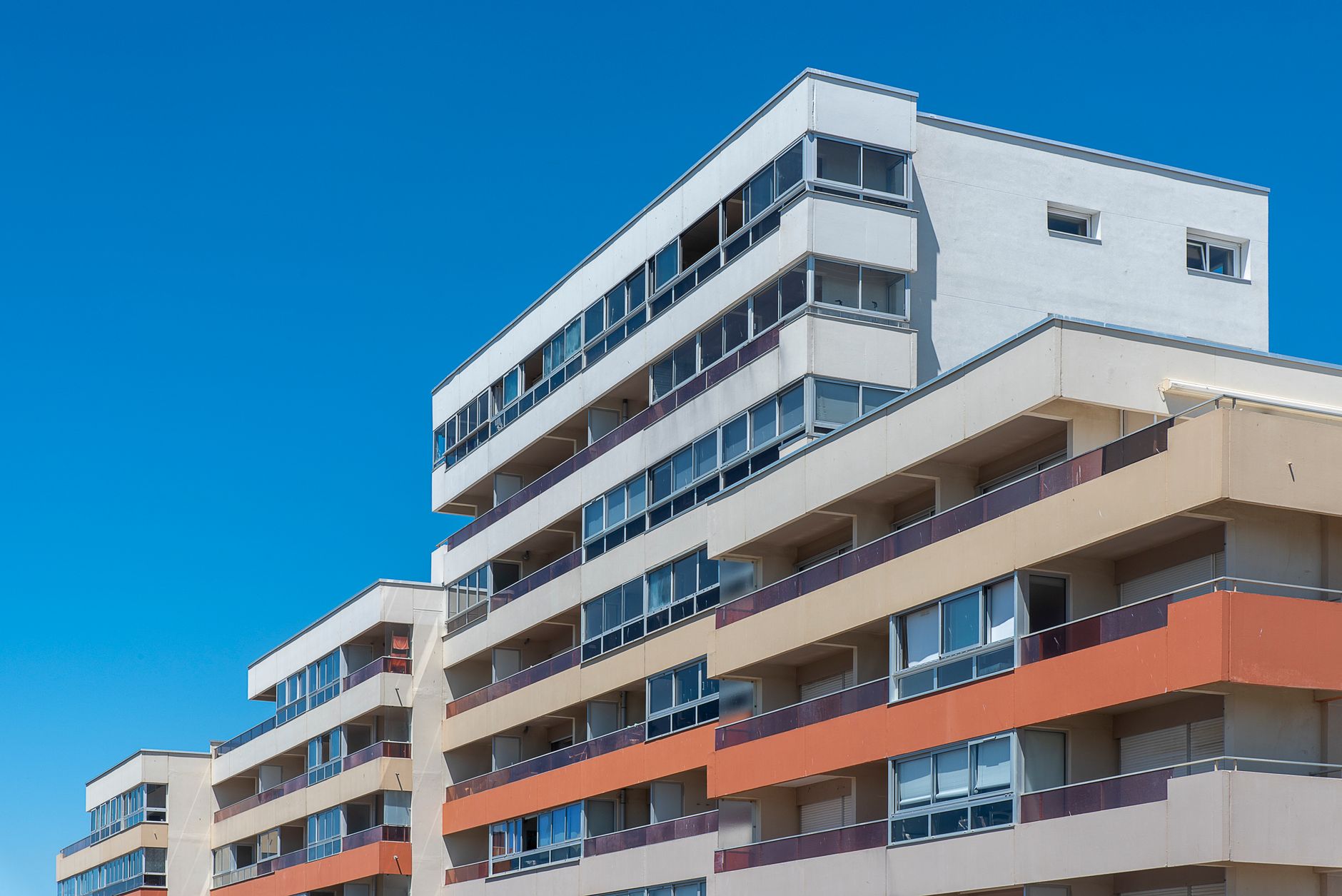
The future of Nice’s east side may be taking shape: the city council formally announced this week their intention to rezone Saint-Roch from a largely residential quarter into a mixed-use district, potentially clearing the way for medium-rise apartment blocks, new retail, and flexible commercial spaces along boulevard Pierre Sola and avenue Denis Séméria. The proposal, published Friday on the mairie’s planning portal, sets a public consultation window from July 8 to August 15 and promises to be one of the most hotly contested urban developments in years.
Housing shortages are biting across Nice, with median property prices in the wider city surpassing €5,600 per square metre this spring according to Notaires de France. Saint-Roch has seen quieter change than rapidly gentrifying Libération or the glitzier Port. But as buyers are priced out of central districts, local officials say denser development is essential to meet demand and keep younger residents in the city. “We are confronting the realities of Nice’s growth,” one senior official at the Service Urbanisme told The Daily Nice. “If we do nothing, workers and families will simply move farther away.”
Located between the rushing Paillon river and Cimiez hill, Saint-Roch has historically housed railway workers and their families. Its avenues—most notably avenue des Diables Bleus and rue François Pellos—are lined with early 20th-century apartment blocks, postwar social housing, and a smattering of corner epiceries. The area’s biggest landmarks include the Stade du Ray (now a redevelopment site since the stadium’s demolition in 2018), the Jewish Cemetery, and the Saint-Roch tram stop, which links the suburb directly to Place Masséna and the Promenade. Advocacy groups like Saint-Roch Environnement are already mobilising, warning that rezoning could place historic low-rise blocks at risk from new builds.
A 2025 city report cited that Nice had only 17% social housing stock last year, falling short of the 25% national requirement. Saint-Roch’s relative affordability—average flat rents stood at €14.30 per square metre in June, compared to €18 on the Carré d’Or—has helped absorb the city’s service workers. But demand is outstripping supply: nearly 2,800 households remain on the city’s social housing waiting list as of May. The mairie’s rezoning dossier estimates between 400 and 600 new homes could be added to Saint-Roch over the next decade if the plan proceeds, with 30% reserved for regulated rent or first-time buyers. The project would also encourage street-level shops and “co-working arcades” on key thoroughfares. But critics argue that promises for green space and careful integration remain vague, and fear a spike in demolition or speculative development.
Residents can submit written feedback at the Maison des Projets on rue Barberis, or attend a July 18 town hall at Espace Magnan. The current plan is for a council vote in early September. If approved, formal rezoning would likely begin in January 2027. Urbanists and local business owners alike are bracing for heated debate—and looking at Saint-Roch as the new battleground for Nice’s urban future.
Property
Property

Property
Property
About this article
Published by The Daily Nice
Spread the word
Daily brief
Free, in your inbox before 7am. Weekdays.
The Daily Network — local news across Australia