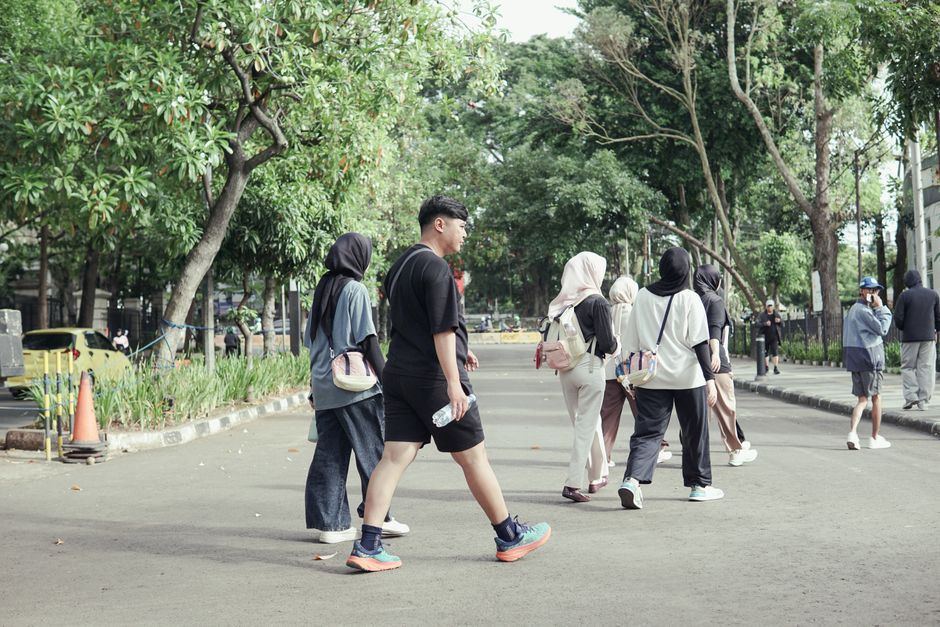
Nice recorded its third consecutive day above 31°C on Thursday, and the Promenade des Anglais was busy by seven in the morning — runners, cyclists, elderly residents with shopping trolleys — all of them sweating more than they probably realised. Dehydration in Mediterranean climates is sneaky. You lose fluid fast in dry heat, and thirst is a lagging indicator: by the time you feel it, you are already running a deficit.
July is the critical month here. The city sits at roughly 43°N latitude, humidity stays lower than coastal cities further west, and the mistral-adjacent winds that funnel down from the Alpes-Maritimes accelerate evaporation from the skin. The combination means residents and the millions of tourists passing through Nice each summer can lose between one and two litres of sweat per hour during moderate outdoor activity — a figure drawn from heat physiology research published by the European Journal of Applied Physiology. Standard guidance from the French health agency Santé Publique France recommends a baseline of 1.5 litres of water daily for adults, scaling up to 2.5 litres or more on days when temperatures exceed 30°C. Those numbers climb again if you are exercising on the hillside trails above the city or cycling the Coulée Verte.
What the city's wellness scene is actually recommending
The Marché du Cours Saleya, open every morning except Monday, has become an unofficial hydration hub. Vendors there have been pushing fresh-pressed watermelon juice and chilled cucumber-mint water since early June — not as a wellness trend but as straight commerce responding to demand. A 500ml cup runs about €3.50. Locals know to get there before nine, both for the best produce and to avoid the worst of the midday heat that radiates off the old town's stone walls.
The Centre Municipal de Santé on Rue Raoul Bosio offers free blood pressure and hydration checks on Tuesday and Thursday mornings throughout July and August — a programme it has run since 2019 under the city's Plan Canicule, Nice's formal heatwave response protocol. The staff there are unambiguous: plain water is almost always the best drink, sports electrolyte drinks are unnecessary unless you have been exercising for more than ninety minutes, and sugary sodas actively worsen dehydration by requiring the body to dilute excess glucose.
The other reliable local resource is the network of Wallace fountains — the distinctive cast-iron public drinking fountains installed across French cities in the 19th century. Nice has 32 of them maintained by the city's water authority, Eau d'Azur. The Vieux-Nice neighbourhood alone has five. The water is safe, cold, and costs nothing. Carrying a refillable bottle and using them is the single cheapest and most effective hydration strategy in the city.
Beyond plain water: what actually helps
Electrolytes matter when the heat is sustained. Sodium, potassium and magnesium leave the body with sweat, and replacing fluid without replacing salts can lead to hyponatraemia — a dilution of sodium in the blood that causes headaches, confusion and, in serious cases, hospitalisation. You do not need a supplement for this. A small pinch of sea salt in water, a banana, or a bowl of gazpacho covers the mineral gap efficiently. The outdoor food stalls along the Coulée Verte near Rue de France stock Niçois socca — the chickpea-flour pancake — which contains modest amounts of magnesium and is far cheaper than any branded electrolyte sachet.
Alcohol and caffeine both accelerate fluid loss. A coffee on the terrace of a café on the Place Masséna is one of the great pleasures of a Nice morning, but it should be followed, not replaced, by water. The same applies to the rosé that defines summer lunches in the region — match each glass with a glass of still water and you will function considerably better by mid-afternoon.
If you are spending time outdoors, drink before you feel thirsty, carry a minimum of 750ml of water for any activity over an hour, and check your urine colour — pale straw is the target, dark yellow is a warning sign. For any concerns about heat illness, dizziness or unusual fatigue in the heat, the city's public health guidance is clear: contact your médecin traitant or call the SAMU on 15. The Promenade will be there tomorrow. Stay hydrated enough to enjoy it.