wellness
Gut health 101: fermented foods you can find locally
From the covered stalls of the Cours Saleya to neighbourhood épiceries in Libération, Nice has a quietly thriving fermented-food scene, and your microbiome will thank you for exploring it.
How we reported this
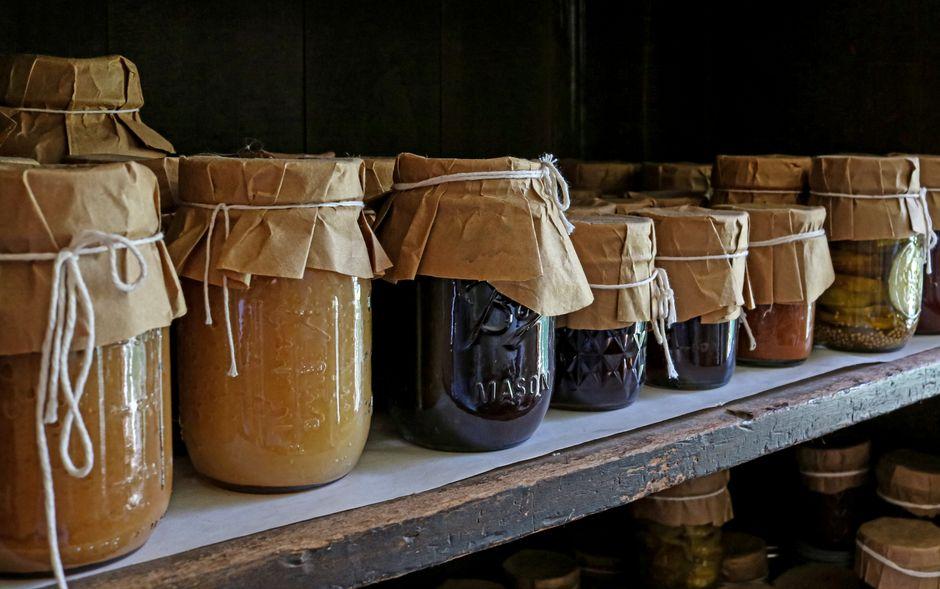
Fermented foods are having a moment in Nice, and not just among the kombucha-carrying crowd on the Promenade des Anglais. Cheesemakers, charcutiers and a new wave of specialty grocers across the city are stocking products, sourdough starters, living yoghurts, raw-milk cheeses, miso pastes, that gastroenterologists describe as among the most effective dietary tools for supporting gut microbiome diversity. The science has solidified enough that French nutritional guidelines, updated in January 2026 by Santé Publique France, now explicitly mention fermented dairy as a recommended daily food group for the first time.
Why does this matter right now? Gut-health awareness has accelerated sharply across Western Europe over the past two years, partly driven by research out of institutions including INSERM, France's national health research agency, linking poor microbiome diversity to outcomes ranging from chronic inflammation to mood disorders. Locally, practitioners at the Centre Hospitalier Universitaire de Nice have been integrating dietary counselling into their gastroenterology consultations since late 2024, directing patients toward whole, living foods rather than probiotic supplements as a first line of support. The shift is cultural as well as clinical: people want to know what to buy and where to buy it.
What to look for, and where to find it in Nice
The Marché du Cours Saleya, open Tuesday through Sunday in the Vieux-Nice district, is the obvious starting point. Several stalls there sell fromage frais and tomme de brebis from small Provençal and Alpes-Maritimes producers who use raw, unpasteurised milk, the living bacterial cultures are the whole point. Look for labels that say au lait cru. A 250-gram wedge of raw-milk tomme typically runs between €4.50 and €7, depending on the producer and the season.
For something less conventional, head to the Libération neighbourhood, where La Fourmi Ailée, an organic épicerie on the Avenue Malaussena, carries a rotating selection of lacto-fermented vegetables, sauerkraut, kimchi-style cabbage, fermented beetroot, produced by small-batch suppliers in the Var and Alpes-Maritimes departments. A 400-gram jar sits around €5.80. The shop also stocks live-culture kefir from a Grasse-based dairy cooperative, sold refrigerated in 500ml bottles at roughly €3.90 each. Kefir, a fermented milk drink originally from the Caucasus, contains anywhere from 10 to 34 distinct probiotic strains depending on the culture used, considerably more variety than most commercial yoghurts.
Sourdough bread counts too, provided the loaf is genuinely long-fermented. Boulangerie Pain & Compagnie, near the Place du Pin in the city centre, has been making 48-hour cold-fermented sourdough since 2021. The slow fermentation breaks down phytic acid in the flour, improving mineral absorption and producing the organic acids that beneficial gut bacteria feed on. A 750-gram miche costs €5.20. Worth every centime if gut health is the goal.
Reading the labels, building the habit
Not everything marketed as fermented delivers live cultures. Commercially produced sauerkraut sold in ambient (non-refrigerated) packaging has typically been pasteurised, killing the bacteria that make it useful beyond its fibre content. The same applies to most supermarket pickles, which are acidified with vinegar rather than naturally fermented. The rule of thumb: if it doesn't need refrigeration, it probably isn't live.
A 2022 Stanford University study, still one of the most cited pieces of evidence in this space, found that participants who increased their intake of fermented foods over ten weeks showed a measurable increase in microbiome diversity and a reduction in 19 inflammatory proteins. The serving sizes involved were modest: roughly four portions of fermented food daily, easily achievable through a combination of yoghurt at breakfast, a sourdough sandwich at lunch, and a small side of sauerkraut at dinner.
Building that habit in Nice costs less than people assume. A week of varied fermented foods, raw-milk cheese, live kefir, lacto-fermented vegetables, sourdough, can be assembled for under €20 at the Cours Saleya or Libération markets. Start with one or two new items, introduce them gradually to avoid digestive discomfort, and give it at least three to four weeks before drawing conclusions. As always, anyone managing a specific gastrointestinal condition should check in with a local GP or registered dietitian before making significant dietary changes.