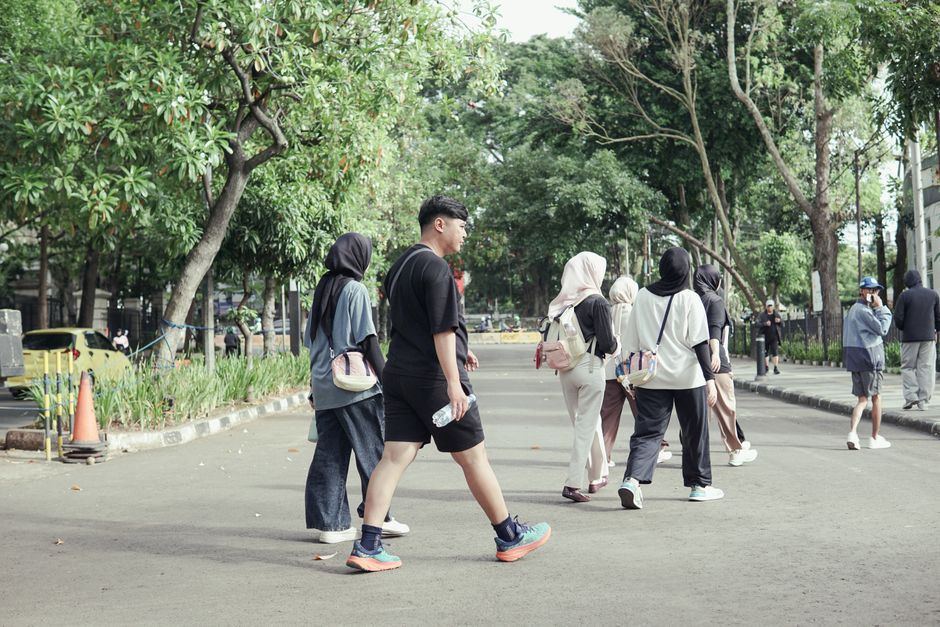
The mercury hit 31°C on the Promenade des Anglais on Wednesday, and by mid-morning the water fountains near the Jardin Albert 1er had a quiet queue. Dehydration is not an abstract risk here in July. It is a daily management problem for anyone walking Nice's sun-baked streets, cycling the seafront, or simply sitting at a terrace café in the Vieux-Nice watching the tourists wilt.
July and August routinely push average daytime highs past 28°C in the city, with the urban heat trapped between Nice's limestone hills and the Mediterranean. Humidity stays moderate — typically around 55 to 65 percent — which means sweat evaporates fast and people consistently underestimate how much fluid they are losing. This combination of dry-ish heat and physical activity is exactly the scenario where dehydration sneaks up on people who consider themselves fit and well-informed.
What the science actually says about daily intake
The old rule of eight 250ml glasses — two litres — was always a rough approximation and nutritionists have been revising it for years. The European Food Safety Authority, which sets guidelines applicable across France, recommends 2.5 litres of total water intake daily for adult men and 2.0 litres for adult women, factoring in water from food as well as drinks. On a hot July day in Nice, when you might lose an additional 0.5 to one litre per hour of moderate outdoor exercise through perspiration, that baseline shifts considerably upward. A 70-kilogram adult cycling the 12-kilometre Route des Crêtes loop above the city needs to add roughly 500ml for every 45 minutes of effort, not wait until thirst kicks in.
Thirst, critically, lags behind actual dehydration by the time you feel it, you may already be down one percent of body weight in fluids, enough to impair concentration and endurance. Dark urine is the more reliable marker. Pale straw-yellow is the target.
What you drink matters as much as how much. Plain tap water — Nice's municipal supply comes from the Vésubie and Var river systems and is consistently rated among the cleanest in France — is perfectly adequate for most people. Still, during sustained heat or exercise, electrolytes become relevant. Sodium, potassium and magnesium lost through sweat need replacing. Isotonic drinks help, but they carry sugar loads that nutritionists say are unnecessary outside genuine athletic performance contexts. A simpler option: a pinch of sea salt and a squeeze of lemon in a litre of water achieves a rough electrolyte balance at a fraction of the cost of branded sports drinks, which retail for €2.50 to €4 at most Nice supermarkets.
Where to hydrate well in Nice
The city's water infrastructure deserves more credit than it gets. Nice Métropole operates 43 public drinking fountains across the city, concentrated in the Vieux-Nice quarter around the Cours Saleya market and along the Promenade des Anglais between the Opéra de Nice and the Hôtel Negresco. A refillable 750ml bottle from almost any sports shop on the Rue de France costs under €10 and pays for itself in a single beach day.
For those wanting more structured nutritional guidance, the Centre de Médecine du Sport et de Prévention on the Boulevard du Tzarévitch offers consultations that include personalised hydration assessments for athletes and active residents. The organisation runs group workshops through July and August specifically targeting heat-related wellness. Similarly, the Marché du Cours Saleya — open Tuesday through Sunday — is stocked with hydrating produce: Provençal melons, cucumbers and tomatoes all register above 90 percent water content and deliver potassium alongside fluid.
Coffee is not the enemy it was once made out to be. Moderate consumption — up to three espressos daily — contributes to fluid intake rather than significantly subtracting from it, according to research published in the journal PLOS ONE in 2014 that has since been widely replicated. Alcohol, though, genuinely does suppress the antidiuretic hormone vasopressin, accelerating fluid loss — a fact worth holding in mind during rosé-heavy evenings on the Baie des Anges.
The practical rule for a Nice summer: drink before you leave the house, carry water everywhere, eat your fruits and vegetables, and treat the pale-urine test as your daily check-in. A consultation with a local dietitian or GP can help tailor targets to your specific activity level and health profile — the Centre Hospitalier Universitaire de Nice on the Avenue de Valombrose can refer you to accredited nutritionists if you need personalised advice.