French adults are now sleeping an average of 6 hours 42 minutes per night — nearly 90 minutes less than the 8-hour minimum recommended by the World Health Organization. In Nice, where summer heat, coastal humidity and a notoriously vibrant nightlife economy compress the dark hours further, the deficit hits harder than in most French cities. Sleep clinicians at the Centre Hospitalier Universitaire de Nice on Avenue de la Californie recorded a 22 percent increase in consultations related to chronic insomnia and sleep fragmentation between January 2024 and June 2026.
The timing matters. Hormone-related sleep disruption is generating significant attention across Europe this summer, with new research linking cortisol spikes, melatonin suppression and disrupted circadian rhythms to lifestyle factors that have quietly worsened over the past three years — remote work, screen saturation, post-pandemic anxiety that never fully unwound. Nice, with its year-round outdoor culture and deeply social evening rituals along the Cours Saleya, sits at a strange intersection: a city built for sensory pleasure that is increasingly stealing from its residents' recovery time.
What Is Actually Disrupting Sleep in Nice
Light pollution is a larger factor than most people appreciate. The neon stretch of bars and restaurants along Rue de France and the constant illumination of the Vieux-Nice district mean that even residents with shuttered windows register meaningful lux levels through gaps and ventilation, suppressing the melatonin release that should begin around 9 p.m. A 2025 study published in the journal Chronobiology International found that urban coastal populations in southern Europe — cities with long light-hours, warm evenings and active terrace culture — showed melatonin onset delays of up to 47 minutes compared to inland populations at equivalent latitudes.
Then there is temperature. The Mediterranean summer in Nice means bedroom temperatures regularly sit above 22 degrees Celsius well past midnight in July and August — the threshold above which sleep architecture begins to fragment. Slow-wave, restorative sleep requires core body temperature to drop, a process that is physiologically sabotaged when ambient heat stays elevated. Residents in the dense apartment blocks of Liberation and along Boulevard Gambetta, where cross-ventilation is poor, are particularly exposed.
Digital habits compound everything. The average French adult now spends 4 hours 11 minutes per day on a smartphone, according to data published by ARCEP in March 2026. Evening scrolling suppresses melatonin for a second time — phone light after the sun has set essentially tells the brain it is still afternoon. Sleep coaches working with the wellness centre Atelier du Bien-Être on Rue Gubernatis report that the most common pattern they see is not insomnia rooted in anxiety, but what they describe as voluntary bedtime procrastination — people staying awake past midnight not because they cannot sleep, but because screen time has eroded the internal signal that sleep is imminent.
Practical Steps That Actually Work
The good news is that the interventions with the strongest evidence base are free or nearly free. The CHU de Nice sleep unit recommends a strict 30-minute wind-down protocol: screens off, room temperature dropped to between 18 and 20 degrees Celsius using a fan or ventilation, and blackout measures on windows facing the Promenade or any illuminated street. For residents who find it difficult to cool rooms without outside noise, the unit's published guidance suggests a compromise — ear protection over blackout blinds rather than open windows.
Cognitive behavioural therapy for insomnia, known as CBT-I, now has a higher evidence rating than any sleep medication for chronic cases. The Institut de Psychologie et Santé du Sommeil, which holds weekly group sessions at a consulting suite near Place Masséna, offers CBT-I programmes starting at €60 per session, with some reimbursement available through complementary health insurance. Practitioners there emphasise sleep restriction therapy — counterintuitively, spending less time in bed initially to rebuild sleep pressure — as the single most effective short-term tool.
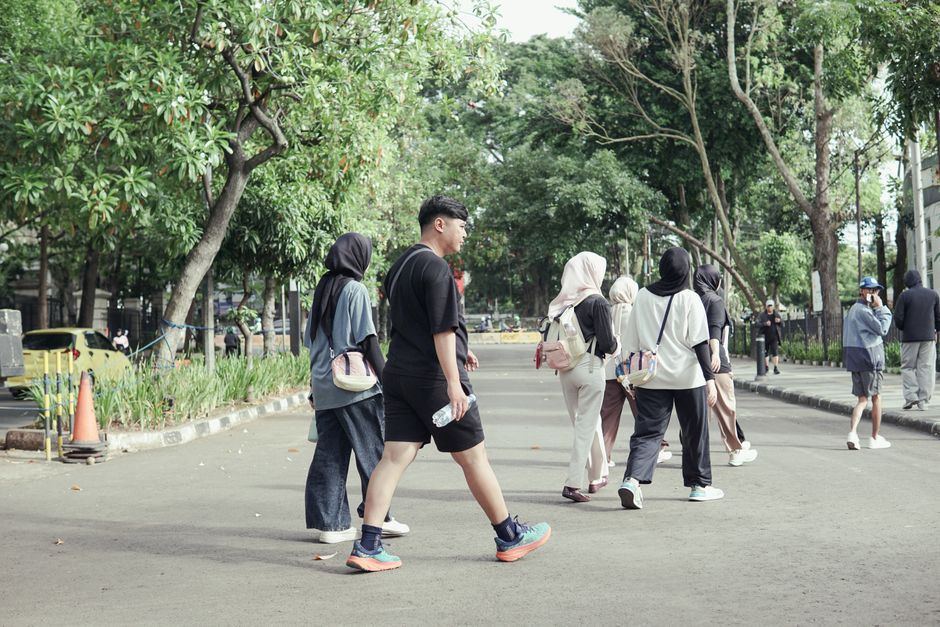
For those not yet at the clinical threshold, the most actionable step is also the most resisted: a consistent wake time, seven days a week, regardless of what time sleep arrived. The body's circadian clock anchors to morning light and morning cortisol far more than to bedtime. A 6:45 a.m. walk along the Promenade des Anglais — before the heat builds and before the first espresso — gives the retina the bright morning light that resets the cycle and, 15 to 16 hours later, begins the melatonin release that most residents are currently missing. Consult your local médecin traitant before pursuing any hormone-based or pharmacological sleep intervention.