wellness
Nice Heat Surge Forces Residents to Rethink Daily Hydration Strategy
Nice residents need adjusted fluid intake as summer temperatures climb along the coast.
How we reported this
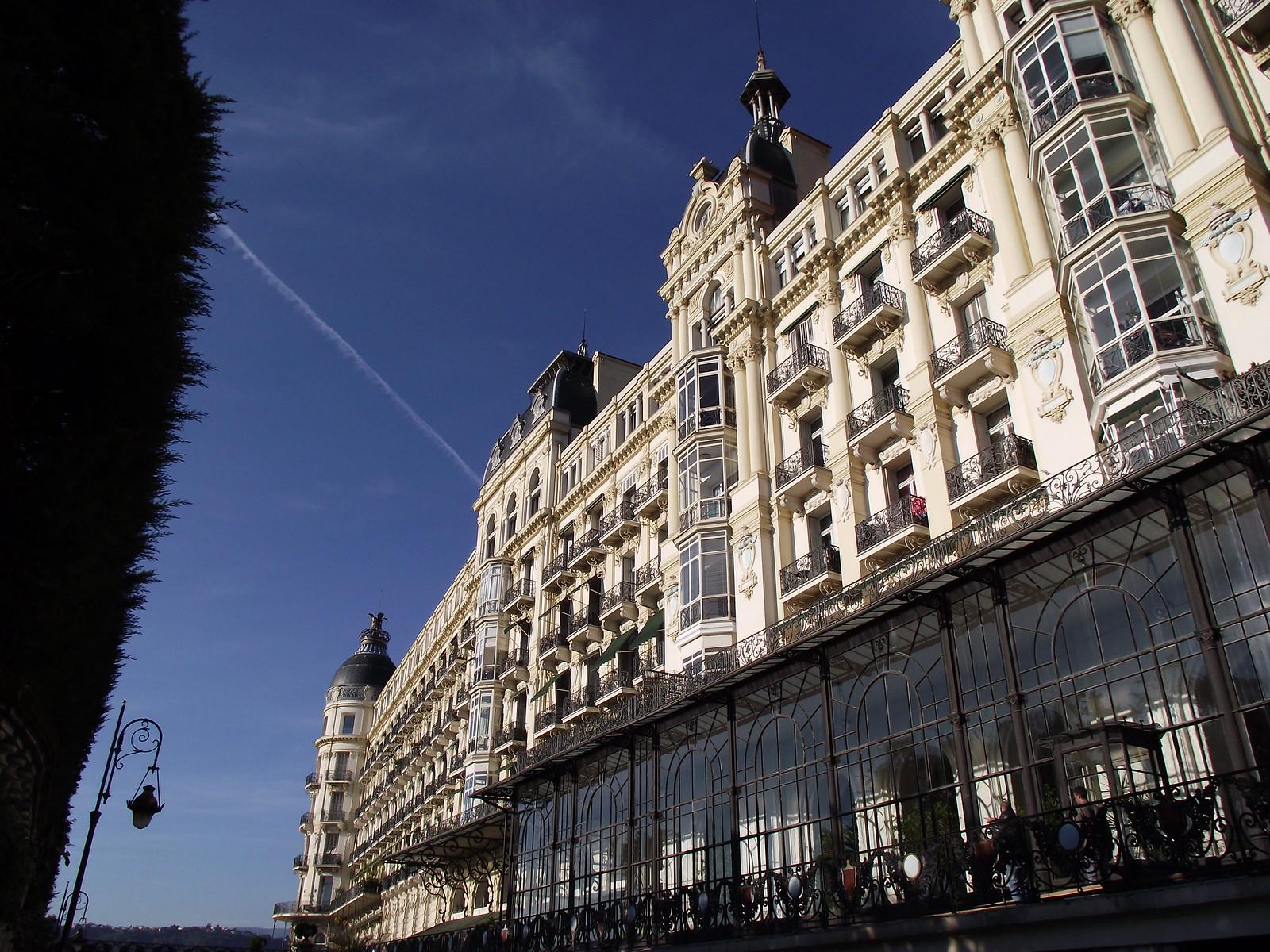
July temperatures in Nice have already hit 31 degrees Celsius on multiple days this week, pushing daily water needs for adults above the standard two litres.
The Mediterranean climate here brings low humidity and strong sun exposure that accelerates fluid loss through sweat, even during routine walks. Local health workers report increased visits for dehydration symptoms at clinics in the city centre during peak summer weeks. This pattern repeats each July when sea breezes mask how much moisture the body actually loses.
Local spots tracking hydration needs
Wellness classes at the Marché de la Libération on Avenue Malausséna now include brief talks on electrolyte balance after morning market visits. Participants often refill bottles at the public fountain near Place Garibaldi before heading uphill toward the Cimiez neighbourhood. Staff at the Centre Sportif Jean Bouin on Boulevard de Cimiez track similar patterns among regular swimmers who train in the outdoor pool during midday hours.
These venues draw from a 2024 regional health survey that found residents in coastal postcodes consume 15 percent less water on average than those in inland Alpes-Maritimes towns during July and August. The same data noted an average price of 1.80 euros for a 1.5-litre bottle of still water at neighbourhood épiceries along Rue de France.
Practical steps for the coming weeks
Start the day with 500 millilitres before leaving home and add 250 millilitres for every hour spent outside between 11 a.m. and 4 p.m. Plain water works for most people, though those exercising on the Promenade des Anglais can alternate with a low-sugar electrolyte drink after 90 minutes. Anyone with existing medical conditions should check with a doctor at a local practice such as those clustered near Hôpital Pasteur before changing routines.
Carry a reusable bottle and refill at the network of public fountains maintained by the city. Small adjustments like these keep energy steady through the warmest part of the season without extra cost.